
 Healing the gut takes some time, it unfortunately doesn't happen over night. On the bright side, it's not too complicated to figure out how to start the healing process. It does take discipline to commit yourself to a healthier eating program, supplementation, and some lifestyle changes. There are simply 4 R's to follow: 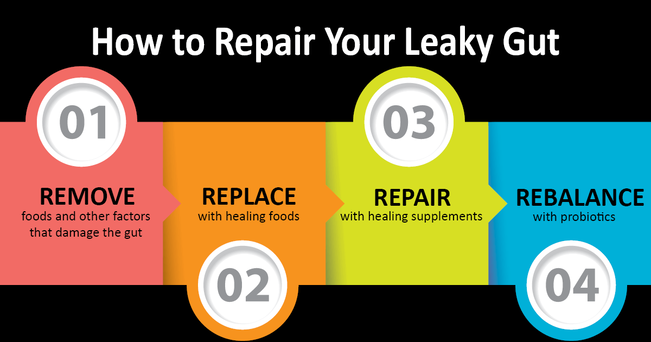 Remove Here is where we begin. This is truly the most important among the 4 R's. As we discussed in the past two posts, there are many factors that play a role in disrupting gut health. Those main sources being stress, unhealthy food and drink choices, and chemicals from medications.
Replace How do we replace? We replace the everyday repetitive stress with time management and spending some ME time to decrease/manage the stress. Next, replace the fast food with healthy foods prepared at home (again pre-plan just a little). Replace the fake processed foods and snacks with healthy fruits, veggies, nuts, etc. Read labels and avoid poor food choices. Also replace the food sources that are highly inflammatory with alternatives. With the Gluten free trend, there are MANY options now available to help you avoid gluten. Same goes for dairy alternatives as well as eggs and nuts. As I mentioned just above, replace some of the medications with all natural supplements, whole foods, and lifestyle changes. The key here is to replace unhealthy stressors in your gut to foods that promote healing. Repair After you have made the commitment to remove and replace factors in your diet and lifestyle that are unhealthy for your gut, the next step is to repair the damage. Repairing the gut wall is a process. Thankfully the human body is amazingly resilient and SMART! This process can only happen if the stressors are all removed. It is a delicate process that involves healing the gut barrier wall, the villi, and the mucosal layer. Remember from the last blog, 70-80% of our immune system cells live within the gut.
Rebalance The last step is to re-balance the GI system. While whole foods are imperative to providing nutrition for your GI health, they are typically not enough in the beginning when we are re-balancing the GI tract. The damage to the gut lining makes it difficult to utilize all of the nutrients we digest, especially if the foods are not superior quality. At this phase, reestablishing the micro-flora is paramount through probiotic support. Take a peek at the picture below 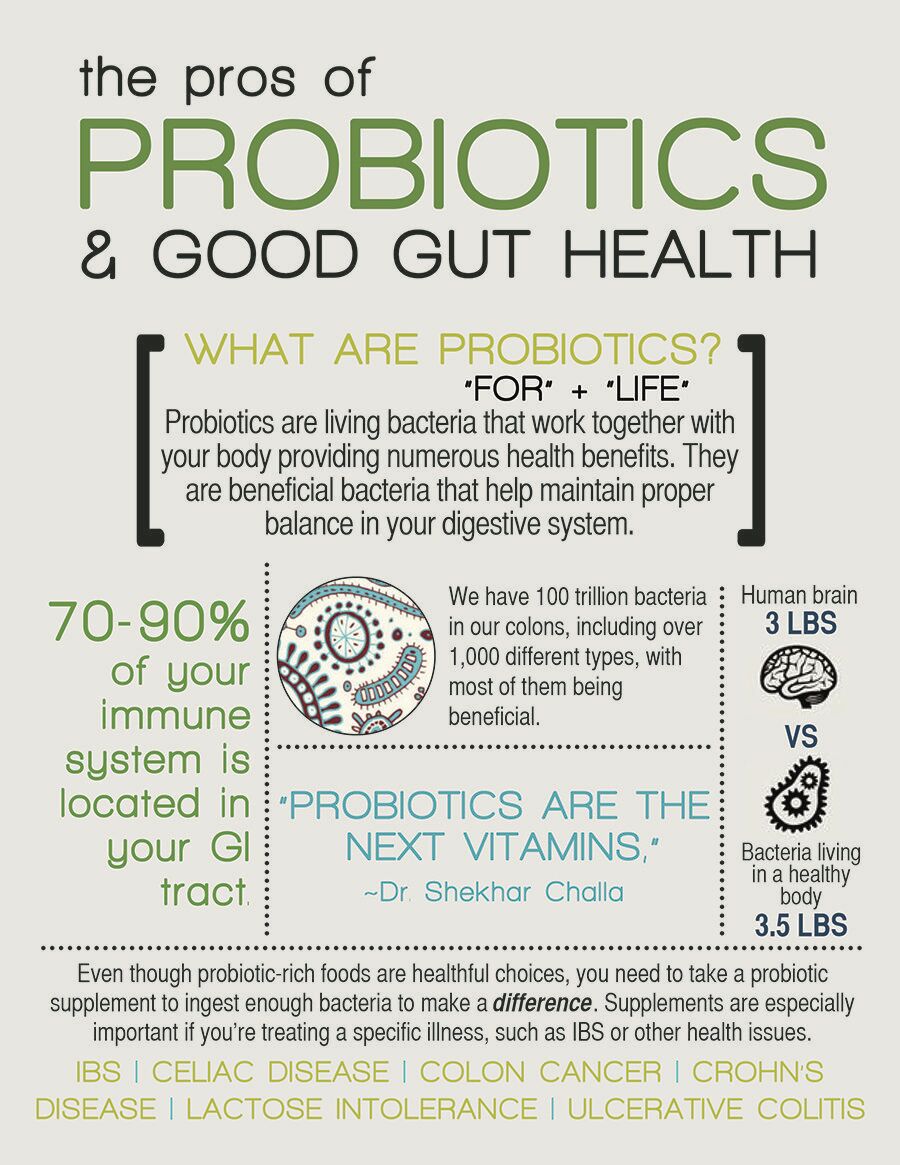 Since starting to research this amazingly indepth topic on Gut Health, I have spent a lot of quality time speaking with our supplement companies to see what they officer to patients for gut health and inflammatory healing, and immune support. I was amazed at the amount of literature they were able to produce on this well studied topic. We are excited to have one of our favorite supplement reps in town next week, February 13th, to speak with not just us but also our patients and community about this interesting topic. There is so much to learn about gut health and how it's related to your overall well being. If you would like to hear more about the supplements we offer in the office for detoxification, gut repair supplements, and probiotics, please send me an email and I would be happy to help. 
0 Comments
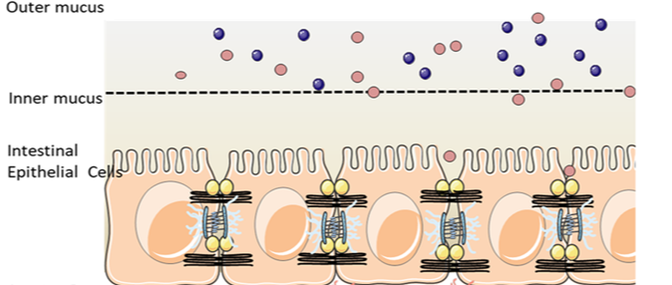
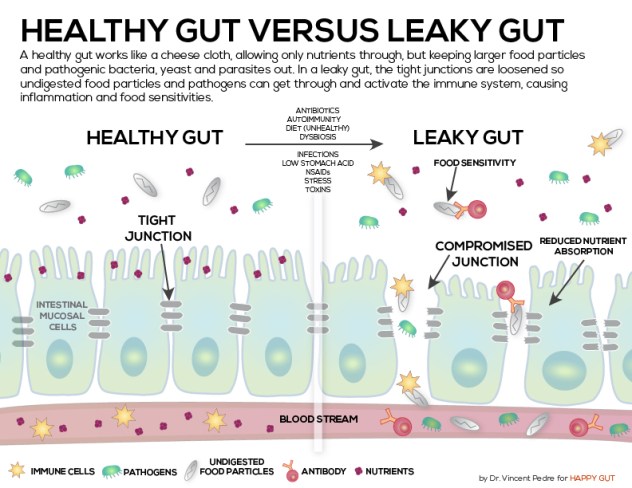
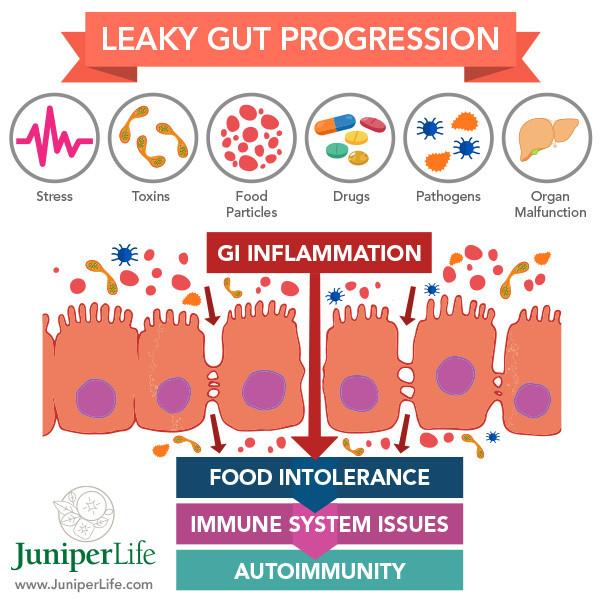
  Part I of our health gut series was an introduction into the importance of striving to keep our gut healthy. As we read, gut health is the foundation to our immune system. If we don't take care of our gut health, we disrupt our microdome, which results in damage to the intestinal barrier needed to keep foreign materials out of our blood stream. This leakage of material into our blood stream is also known as Leaky Gut. Lets go back a little bit to address the 4 top struggles that contribute to an unhealthy gut/intestinal/digestive system. 1) Stress Stress changes our hormonal balance within our bodies. With stress we find increased bowel motility and defecation while at the same time reducing gastric emptying time. Stress induced changes in the bowel motility can result in altered gut pH and nutrient absorption causing bacterial overgrowth which leads to vulnerability to pathogenic organisms. Additionally, mucosal barrier disruptions equating into an over stimulation of the immune system. 2) Diet The GI tract is exposed to 30-50 TONS of food in the average lifetime. Too many highly processed foods that are devoid of nutrients needed for health are taking over our food industry. Our diets are consisting of too many refined carbohydrates, hydrogenated fatty acids, food preservatives and food additives. Chronic poor eating places a burden on the digestive tract leading to reduced bowel transit time, sluggish detoxification, and increased inflammation. 3) Medications Drugs (over the counter or prescribed) alter the gut microbia composition. Relying on chemicals comes at a risk of damaging the gut and can be counter intuitive since these drugs have the potential to create future disease development or simply be causing the chronic issues that you are trying to treat. Common examples of medications that do a number on your gut health are:
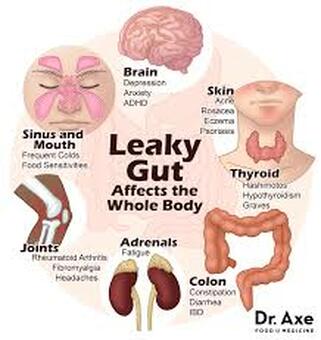
4) Food Allergies, Sensitivities, & Intolerances Any of the above can be characterized by any negative reaction to food. Food Sensitivities are non allergic immune responses to a component(s) of a food, an example is Gluten. The gliadin protein in gluten triggers an immune response causing inflammation along the inner lining of the small intestinal wall. Food Intolerance is the difficulty digesting certain foods due to a lack of proper enzymes. There is no immune response with a food intolerance, and symptoms are typically limited to diarrhea and/or vomiting. Commonly seen with eggs, milk, and gluten. Food Allergies affect 3% of our population in the IgE category. There are two types of allergic reactions from the body due to a food allergy, IgE and IgG/IgA. A little about our IgA, IgE, and IgG immune responses. IgA, IgG and IgE refer to immunoglobulins, or “antibodies.” These antibodies are part of our immune system, and are produced in response to things we come in contact with on a daily basis. Our bodies make antibodies to foreign substances like bacteria and viral cells, but can also respond to foods, dust, dander, and pollen. Antibodies help the body mount an immune system response (“fight”) against foreign invaders. IgA and IgG reactions are known as delayed response reactions, that include food sensitivities, where IgE responses are immediate and are considered a true food allergy. IgA and IgG reactions may not happen immediately, but can take hours to days to show up in your skin or intestines, and cause symptoms related to inflammation like headaches, fatigue, brain fog, or joint pain. People with food intolerance may experience digestive upset like nausea, constipation, or diarrhea, or skin itching and rashes including conditions like eczema and psoriasis. IgE immediate hypersensitivity reactions are characterized by hives and throat swelling that accompany anaphylactic reactions some people experience when exposed to certain foods. Other symptoms can include wheezing, coughing, a runny nose, vomiting, swelling of the lips or tongue, tearing or redness of the eyes, or even a weak pulse and loss of consciousness. Common foods that trigger IgE reactions are peanuts, shellfish, egg, dairy products, soy, tree nuts, wheat and fish. So how does your gut health contribute to an autoimmune disease? Autoimmune disease is on the rise in a major way. According to the National Institutes of Health (NIH), 23.5 million Americans suffer from a form of an autoimmune disease, but some think that number is actually closer to 50 million. There are at least 80 to 100 different diagnosable autoimmune diseases worldwide, and more are being studied and diagnosed every single day. We turn back to the relationship of the gut and overall health. Also the gut and our immune system, or lack thereof. Let's re-familiarize ourselves with the word below... dysbiosis /ˌdisbīˈōsəs/ an imbalance between the types of organism present in a person's natural microflora, especially that of the gut, thought to contribute to a range of conditions of ill health. Over time, having dysbiosis in your gut microbiome will eventually lead to a leaky gut. If your gut is leaky, food particles, toxins and infections can get through your intestinal lining and into your bloodstream where your immune system detects them as foreign invaders and goes on high alert, attacking them and creating inflammation. One main way inflammation occurs is that the food particles (especially gluten and casein, a protein found in dairy), toxins and infections look very similar to our own body’s cells and our immune system gets confused and accidentally attacks our own tissue, which leads to autoimmunity. This process is called molecular mimicry. Molecular mimicry is defined as the theoretical possibility that sequence similarities between foreign and self-peptides are sufficient to result in the cross-activation of autoreactive T or B cells by pathogen-derived peptides. (*This is google worthy on a snowy day if you are more interested in autoimmune origins.) It’s a cycle that works like this: altered gut microbiome or dysbiosis => leaky gut => food, toxins and infections into bloodstream => immune system attacks body due to molecular mimicry => autoimmune disease. In March of 2018, Yale University did a study on the gut bacteria in humans and mice. They discovered that certain bacteria in the gut (E. gallinarum) is able to trans-locate outside of the gut into the lymph nodes, liver, and spleen. This bacteria attacked tissues outside of the gut and initiated the production of auto-antibodies and inflammation. It was a theory that these foreign substances that leaked out of the gut and trans-located also invaded the incorrect cell space by Molecular Mimicry. 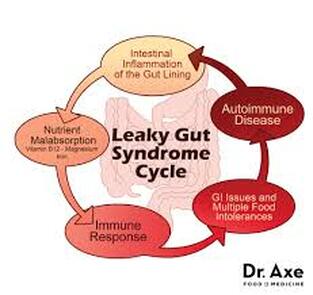 Dr. Axe that helps to simplify and describe the cycle we start to struggle with when health of our gut starts to decline. Symptoms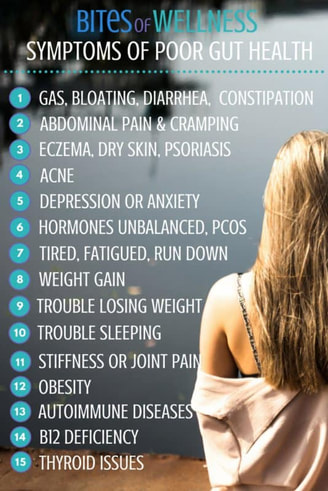 This is a list of symptoms that are the most common with people struggling with poor gut health. It's truly exciting to think that we can start healing many health problems simply with diet. Going back to eating whole foods is understandably not the easiest when McDonald's has your food ready in 2 minutes with barely any clean up, BUT 5, 10, 20+ years from now when you are living with a slew of medical problems and feel miserable every single day you are guaranteed to look back and regret taking the extra time and effort to prevent your problems. Next week we will discuss taking those first steps to heal your gut. I will try to help simplify your plans for eating healthier and simply making better choices for yourself and your family.
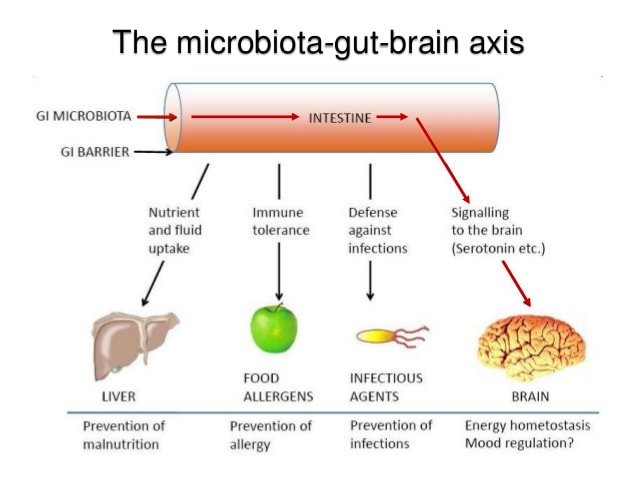
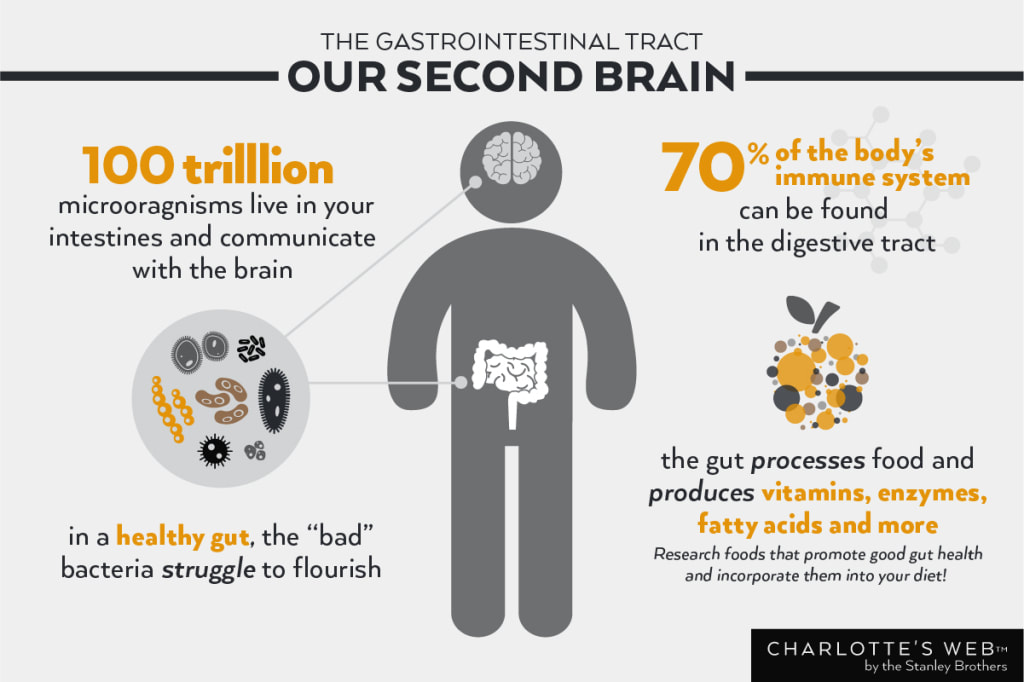
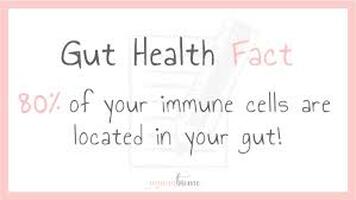 “A huge proportion of your immune system is actually in your GI tract,” says Dan Peterson, assistant professor of pathology at the Johns Hopkins University School of Medicine.Welcome to our series on gut health. This is one of those topics that is overwhelmingly MASSIVE and hard to even know where to start. You have likely heard or maybe even researched a little for yourself, on the topic of gut health. Maybe you know that probiotics are pretty good for you, you are just not sure why. I'm just going to scratch the surface a little bit today on gut health, then I will dig deeper for you in the subsequent weeks to come. 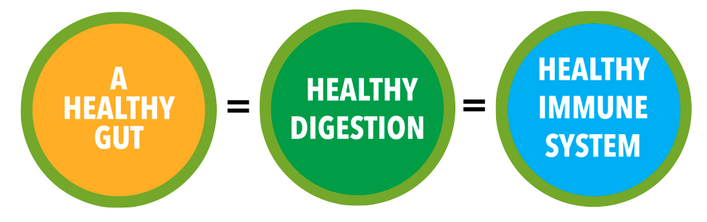 What is the gut Microbiome? “Just like any other environment on the planet, our bodies have their own ecosystems -- made up of 100 trillion microorganisms, or microbes, that live in and on our bodies," says Rachael Buck, PhD, Abbott's lead research scientist and resident gut health expert. "These include bacteria, fungi, viruses and other types of tiny organisms. It’s so large in fact, that the genes of microbes outnumber our body’s genes by 100 to 1." The Gut Microbiome Explained (© 2019 Abbott) When it comes to the microbiome, the large intestine (or, the colon) receives the most attention because it contains the highest concentration and greatest diversity of microbes in the entire body. The large intestine is lined with a layer of mucus and the microbes that live there form a gut biofilm. The biofilm contains an array of different microbes that carry out different tasks in your body and also work together to keep you healthy.What’s even more fascinating is that each and every person has a unique make-up of microbes. What determines the different types of microbes in a person is a result of ones genes, age, gender, diet, hygiene, and even the climate you live in and your occupation. In fact, studies show that the gut microbiome affects everything from pain, mood, sleep and stress, to how our bodies use the food we eat and how we fight off infection. 
|
Dr. Kallie |  |
Micronutrient Deficiency
Nutrient deficiencies exist extensively among many members of the U.S. population. Rich, poor, well, or sick—92 percent of the population is suffering from at least one mineral or vitamin deficiency based on the Dietary Reference Intakes. The entire country is overfed and undernourished. Even if you consume a “perfect” diet, the odds are, something is missing.
The numbers don’t lie. According the CDC and the U.S. Department of Agriculture (USDA):
It is a well-known fact that processed junk and fast foods have become staples in the American diet. Fresh, nutrient-rich foods are often considered taxing on time and finances, deeming these food choices a luxury rather than the standard at dinner tables throughout the country. Along side of the fast food eruption, the soil of farmland all across the globe is deficient in micronutrients. So really, even if processed junk food and fast food were not a part of the food supply, deficiencies would still be rampant, as soil quality is diminishing at a rapid rate and reducing the nutrient value of produce. Sick, mineral depleted soil grows mineral depleted foods. The animals that we eat are being fed these micronutrient depleted vegetables and wheat. This means that the meat you buy is also far lower in health producing micronutrients than ever before. The bottom line is: “Sick soils mean sick plants, sick animals, and sick people.”
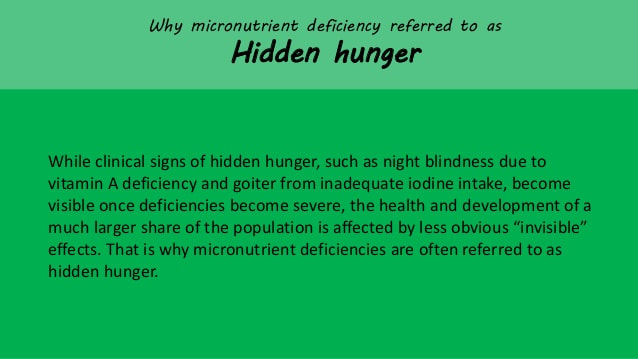
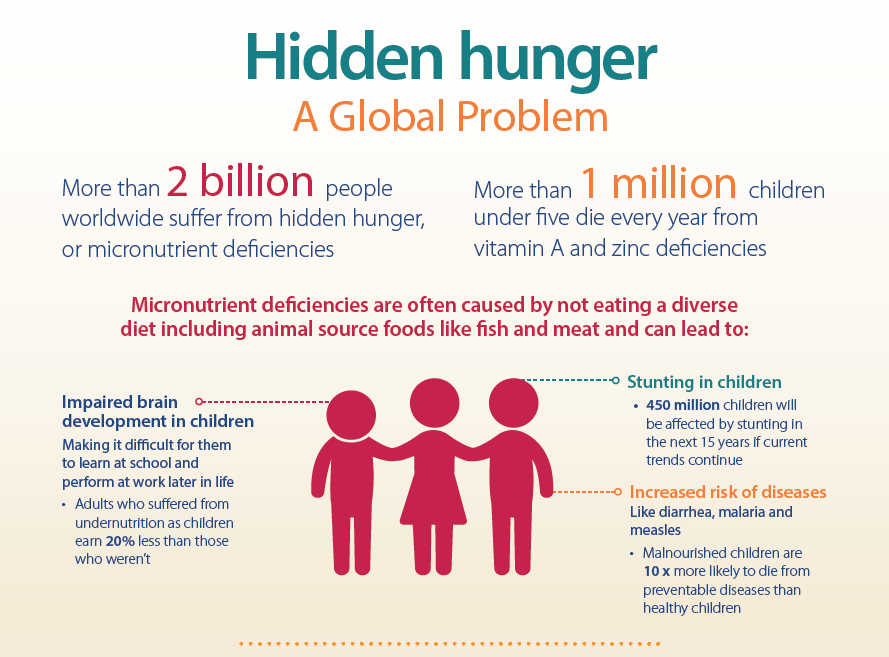
"Hidden Hunger" is a term that was brought about to describe the serious hunger our bodies have for the much needed vitamins and minerals the we are NOT getting. It's not just about third world countries that are starving for lack of food. Our own country is starving for real nutrients in this over processed country we live in. The worst part about all of this, is it effects the children the most! Kids today are not being raised on produce from the back yard or local farmers markets. They aren't eating meat from healthy sources. Fast food and processed freezer meals are feeding our kiddos in this nation. Yes, we are all crazy busy with non-stop activities for our families, but that does not mean they can only crap food. When you start to look a little deeper into the dangers facing our children from a lack of nutrition, you may want to take the time to figure out a little pre-meal-planning for the week. Is it really too much to ask of you to wake up 10 minutes early to put actual meat from a good butcher shop or local farmer into the crockpot? Is it really that hard to was a few fruits and veggies each day for healthy snacks? If you plan ahead, you can make larger quantities of food and have left overs for half of the week. Left overs that are versatile and able to be made into wraps or sandwiches. The meals that you spend a little more time on make a huge difference in the health of your children. Below are examples of common deficiencies in children and the effects they have to their mental and physical development.
The numbers don’t lie. According the CDC and the U.S. Department of Agriculture (USDA):
- 9 out of 10 Americans are deficient in potassium
- 7 out of 10 are deficient in calcium
- 8 out of 10 are deficient in vitamin E
- 50 percent of Americans are deficient in vitamin A, vitamin C, and magnesium
- More 50 percent of the general population is vitamin D deficient, regardless of age
- 90 percent of Americans of color are vitamin D deficient
- Approximately 70 percent of elderly Americans are vitamin D deficient
It is a well-known fact that processed junk and fast foods have become staples in the American diet. Fresh, nutrient-rich foods are often considered taxing on time and finances, deeming these food choices a luxury rather than the standard at dinner tables throughout the country. Along side of the fast food eruption, the soil of farmland all across the globe is deficient in micronutrients. So really, even if processed junk food and fast food were not a part of the food supply, deficiencies would still be rampant, as soil quality is diminishing at a rapid rate and reducing the nutrient value of produce. Sick, mineral depleted soil grows mineral depleted foods. The animals that we eat are being fed these micronutrient depleted vegetables and wheat. This means that the meat you buy is also far lower in health producing micronutrients than ever before. The bottom line is: “Sick soils mean sick plants, sick animals, and sick people.”
"Hidden Hunger" is a term that was brought about to describe the serious hunger our bodies have for the much needed vitamins and minerals the we are NOT getting. It's not just about third world countries that are starving for lack of food. Our own country is starving for real nutrients in this over processed country we live in. The worst part about all of this, is it effects the children the most! Kids today are not being raised on produce from the back yard or local farmers markets. They aren't eating meat from healthy sources. Fast food and processed freezer meals are feeding our kiddos in this nation. Yes, we are all crazy busy with non-stop activities for our families, but that does not mean they can only crap food. When you start to look a little deeper into the dangers facing our children from a lack of nutrition, you may want to take the time to figure out a little pre-meal-planning for the week. Is it really too much to ask of you to wake up 10 minutes early to put actual meat from a good butcher shop or local farmer into the crockpot? Is it really that hard to was a few fruits and veggies each day for healthy snacks? If you plan ahead, you can make larger quantities of food and have left overs for half of the week. Left overs that are versatile and able to be made into wraps or sandwiches. The meals that you spend a little more time on make a huge difference in the health of your children. Below are examples of common deficiencies in children and the effects they have to their mental and physical development.
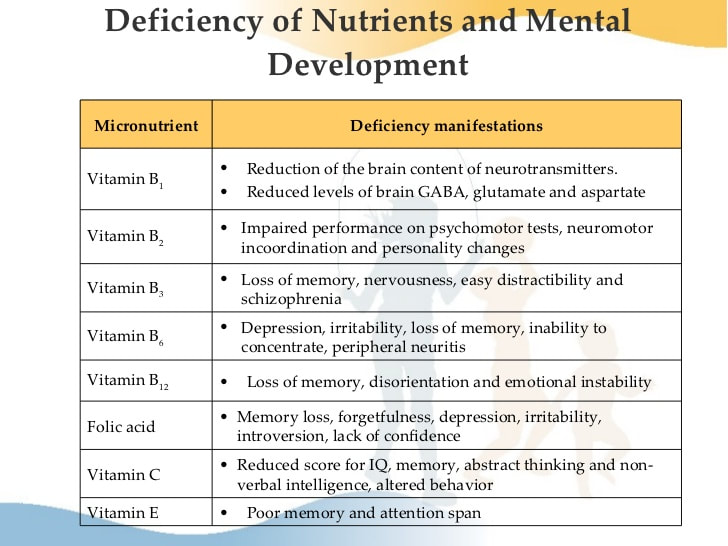
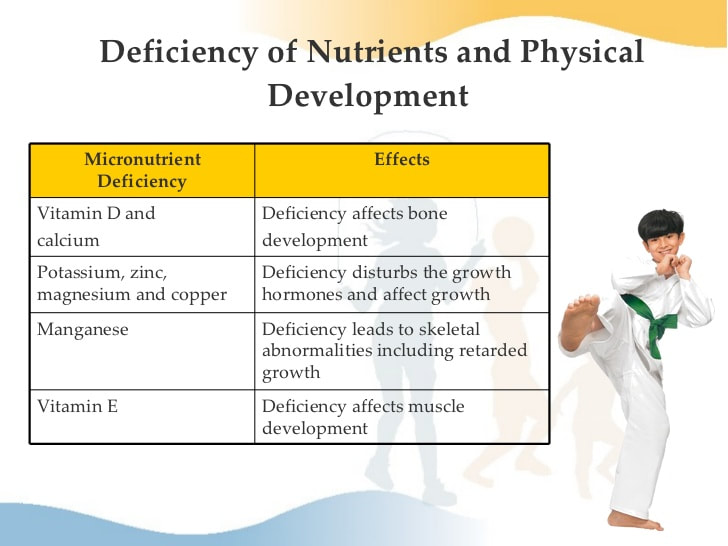
I realize that it might not be easier and you are likely to get push back from your child that is used to sugar laden processed food, but keep in mind that you love them and are responsible for their health. They are not mature enough to make good health conscious decisions every day, nor should they have that pressure. There are simple things to change first, for example; instead if a sugary soda or fruit juice, pass them an apple or other high fiber piece of fruit and a bottle of water. Instead of a candy bar, how about a cheese stick? The statistic below are scary, but preventable especially in our own country.
Now going back for a moment, lets look at Macronutrients and Micronutrients. We looked at Macros and few weeks ago to really analyze our dietary intake. As mentioned, it's a GREAT beginning step toward grasping your nutritional needs in regards to calories from Fats, Carbohydrates, and Proteins. Counting Macros helps us know where our caloric intake stands, and gives us the knowledge to make adjustments to our diet to hit our personal goals. Micros on the other hand are not as easy, but honestly more important. As your goals for a healthier lifestyle become more advanced and you are successfully living a healthier lifestyle, it's time to look into your micros. These are the vitamin and mineral levels within your body. The only way to know for certain what your levels are is through a blood test. An local family doctor or laboratory can do a simple blood test for you that will show you your deficiencies if you have any. Many premier athletes have blood tests regularly. When you study your results, eating becomes more centered around your bodies needs nutritionally, and not just for energy (macros). Counting macros is not something you really think about as much because by this time you have a great idea of how much of each macro you are roughly consuming. More thought goes into eating for your micros. The best part about formulating your diet for micros is you are naturally going to eat whole nutritious foods....why?!?!?!?! Because you are not going to increase your low vitamin B12 levels from a snickers bar every day. You may be striving to eat more green leafy veggies for folate, vitamin K, vitamin E, Vitamin K, iron, or magnesium. Perhaps your vitamin C is low and you need more bright colored fruits and veggies. These are just quick examples, there are many charts out there to help you. Side note: please stay away from the "fortified" foods. Much of the nutritional value in "fortified" foods are lost in processing.
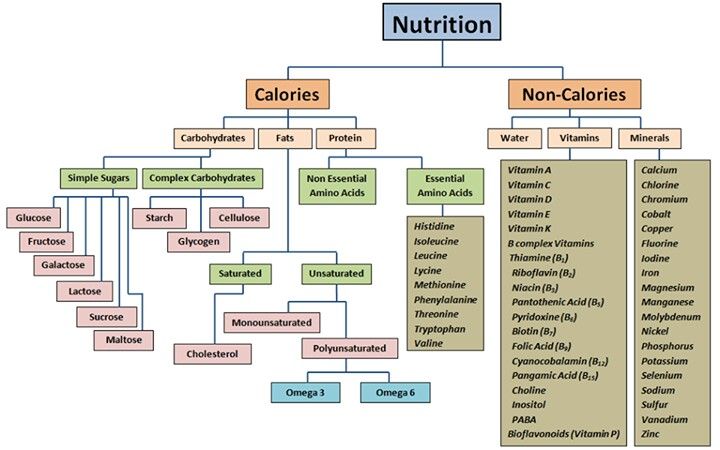
Below I'm going to share with you some common charts. For the next few weeks, I would like to get more in depth with each vitamin and mineral, it's purpose, and how to get more of it in a healthy way.
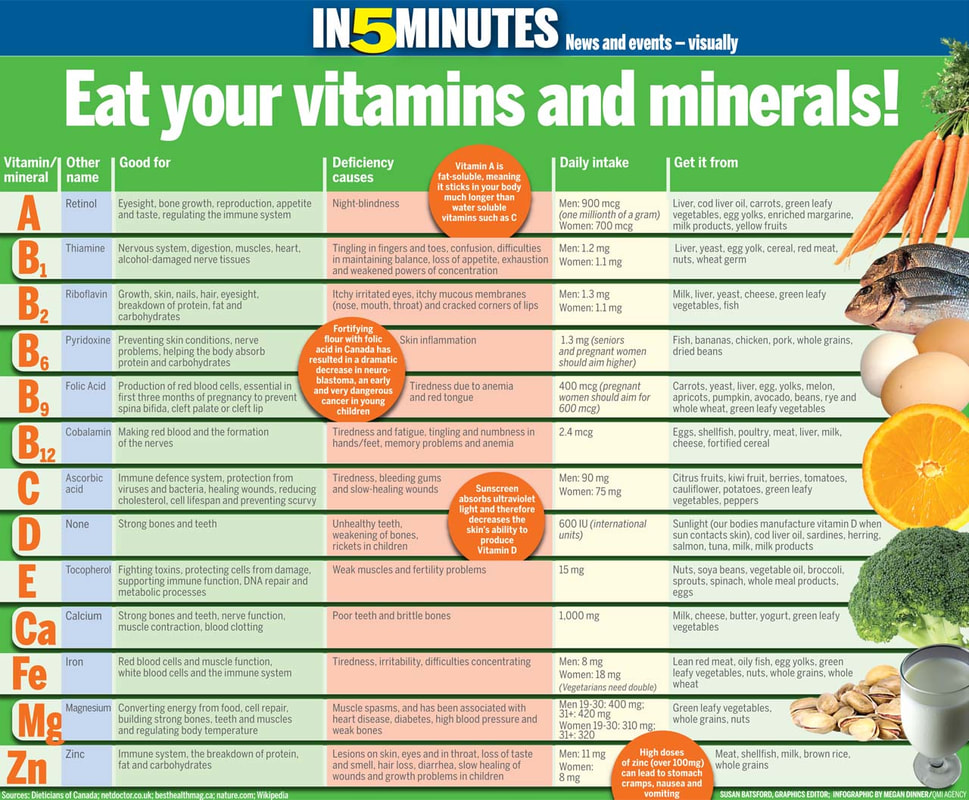
The most common Deficiencies
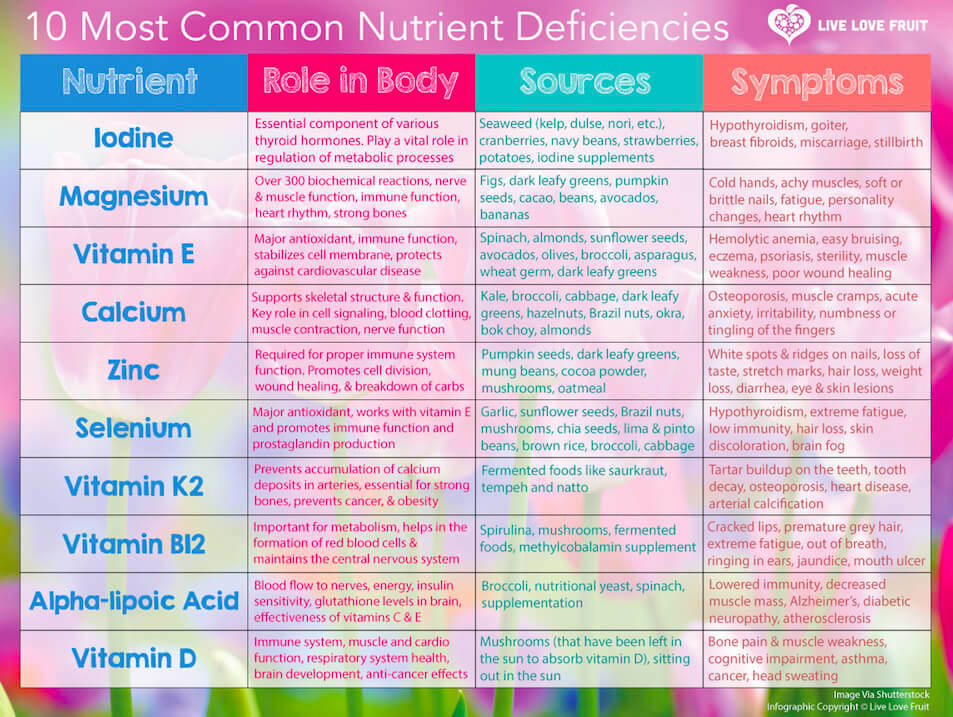
Typical deficiencies found within these health conditions
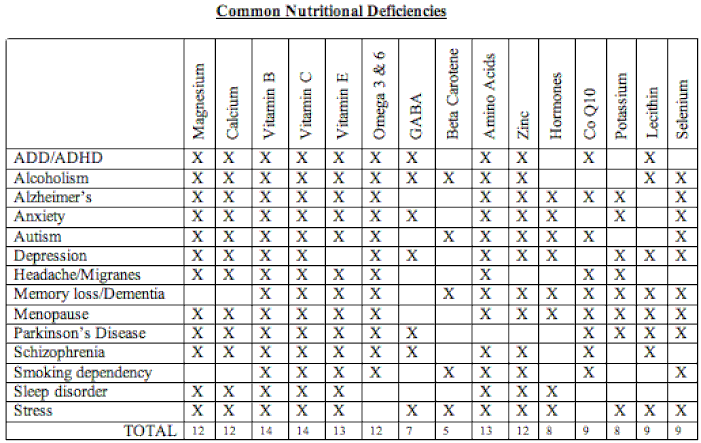
Nutrient deficiencies cause by common drugs
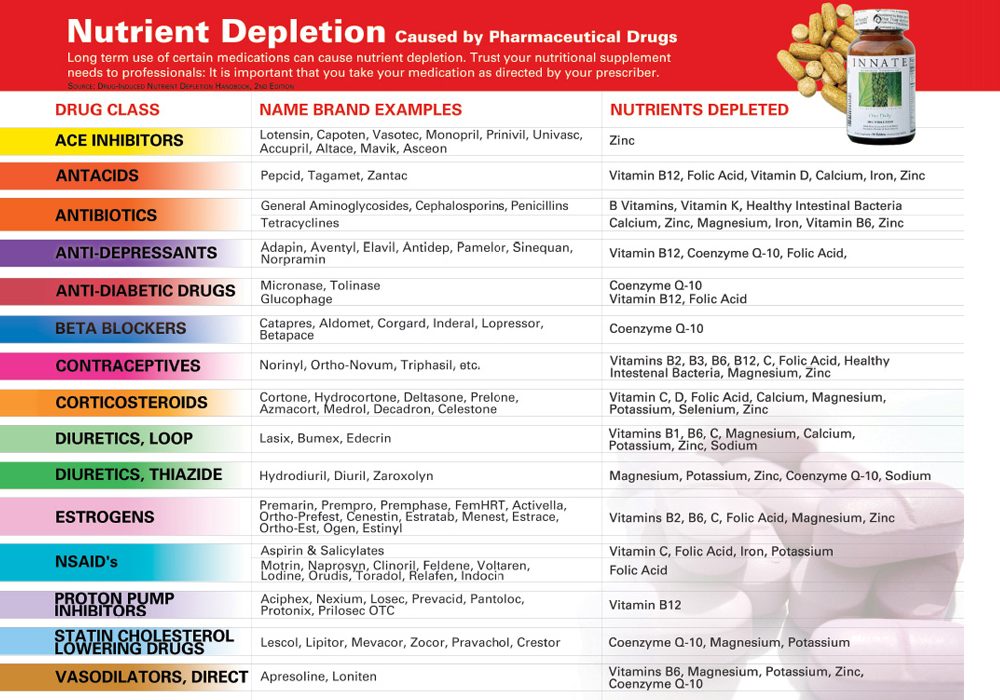
Take the next step toward your health and have a blood analysis done. There is truly no harm that can come from a simple blood test, only knowledge to gain.

Health and Fitness Series
Dr. Kallie
What is carb cycling? If you are keeping up with this blog, you are likely understanding a lot more about carbohydrates in our diets. For this blog, we are adding another health and fitness weapon to your arsenal.
Carb Cycling is a planned alteration of your carbohydrate consumption over a chosen time period, or an enjoyable and capable lifestyle habit.
Carb Cycling is considered by some to be an aggressive and high level nutrition strategy in order to prevent a fat loss plateau, plus help maintain a good metabolism without hindering workout performance. This last sentence is obviously pretty loaded, so I'm going to break everything down for you. Yes, carb cycling is a nutritional strategy, one in my opinion is GREAT! I LOVE it and utilize it often. I don't feel it is "aggressive", but rather easier to use since it gives you some wiggle room and is not as difficult. I will say that I don't think carb cycling is for beginners trying to figure out how to lose body fat while making positive lifestyle changes. If you are just learning how to count calories and macros while trying to incorporate exercise, keep at it my friend and keep making those changes to your lifestyle. Now, if this isn't your first rodeo and you understand the macro stuff, carb cycling may be something you can throw into the mix.
The Benefits of Carb Cycling
The basic idea behind Carb Cycling is to plan a certain amount of days when you eat higher carbs verses lower carbs. There are MANY different varieties and ways to cycle. Some people will try to sell you plans saying one way is better for fat loss, another is better for muscle gain, etc etc. Personally, I go with what my body tells me. I have structured my carb cycling based mostly on my workouts and water retention.
After spending a lot of time discussing the Keto diet last post, I am hoping I left you with an understanding that carbs are NOT bad. To revisit for a brief moment, Carbs are needed as a fuel source for your workouts. Carbs replenish glucose and glycogen to prevent fatigue and help repair tissues. When in ketosis, you use fatty acids (fat) as a fuel to live and even workout, but you will not have much success in building muscle without glucose (carbs). Those carbs aid significantly in recovery and support of muscle growth, cause the body to burn more calories, and provides you with ENERGY. One of the biggest fallacies is that eating carbohydrates makes you fat and even eating carbohydrates at the wrong time will make you fat.
WRONG
Eating too many CALORIES makes you fat.
Insulin has unfortunately been thrown under the bus A LOT the last few years. Once again, Insulin does not make you fat, overeating does. Revisiting the job description of Insulin and why people presume it's bad:
high carbs = high insulin = burn less fat = store more fat = fatter & Fatter & fatter
or
low carb = low insulin = burn more fat = store less fat = stay lean
HOWEVER, this completely violates the principles of energy balance, which is how much energy you eat and how much energy you burn.
Weight gain results in a surplus of energy stored as fat. You cannot lose weight without an energy deficit.
For those into building and maintaining muscle mass (that should be all of you since muscles increase metabolism), insulin actually decreases catabolism.
Muscle growth = increase in carbohydrate diet = increase in glycogen: which improves performance = more strength & energy for workouts = helps progressively overload muscle fibers = muscle growth
Research shows that low carb/low glycogen levels post workout reduce cell signaling related to muscle growth. Also, resting cortisol levels rise and testosterone decreases with the lack of glucose/glycogen.
So how do you carb cycle? Lets talk about ways to match lifestyles and activity levels. Another reminder here, go ahead and read this post, but if you are still working on your macro counting and trying out other things like intermittent fasting, don't rush to jump into this until you are ready. It's easy to bombard yourself too early with everything without enough time to make the other changes habitual and a lifestyle. Come back to this when you are ready and want to try it out.
For carb cycling, you are going to continue to follow your calories and macro that we already calculated (see macro post here). Those macros will now fluctuate with carb cycling. As I said earlier, there are many different "cycles" you can use and I'll give you examples. Basically you are going to increase and decrease your carbohydrate intake depending on the day. Some people will tell you to stick with a pretty strict cycle of maybe a 1:1 ratio of a high carb day followed by a low carb day. Others use a 3:1 ratio of three low carb days followed by 1 high carb day. Another possibility is a fluctuated carb cycle of low, moderate, and high carb days throughout the week. Lastly, there are those that like to live on the wild side and decide to put no carb days into the mix. The other macros are not going to change significantly. The idea is that the lower carb days, are days that you caloric intake will be lower, even lower than maybe what you have calculated for your daily caloric needs. An important factor is not to decrease your protein consumption. So yes, you will still macro count or go back to macro counting for a little while until your food choices become natural and you just "know" what you are eating.
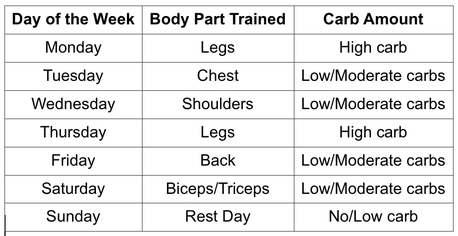
Planning your personal cycle...it's all about your personal needs. If you are getting to the point of trying this, then I am assuming you are pretty disciplined with your workouts plus you know your caloric needs. Nobody is going to tell you what is right for you, only you will know that with experimentation. For me personally, I know I need high carb days thrown in when I have a hard workout planned. I don't have a particular "plan", I base my cycle on my activity. My leg days are ALWAYS high carb days. My gym days that I do a mixture of Olympic lifting/powerlifting/crossfit are also high carb days. Days that I run, bike, kayak, and weight train are moderate carb days. My rest days are no carb days (unless its a cheat day). Honestly thought, cheat days are not to much of a "cheat" day if you are putting yourself through a killer hard workout.
Here are a few examples below:
Carb Cycling is a planned alteration of your carbohydrate consumption over a chosen time period, or an enjoyable and capable lifestyle habit.
Carb Cycling is considered by some to be an aggressive and high level nutrition strategy in order to prevent a fat loss plateau, plus help maintain a good metabolism without hindering workout performance. This last sentence is obviously pretty loaded, so I'm going to break everything down for you. Yes, carb cycling is a nutritional strategy, one in my opinion is GREAT! I LOVE it and utilize it often. I don't feel it is "aggressive", but rather easier to use since it gives you some wiggle room and is not as difficult. I will say that I don't think carb cycling is for beginners trying to figure out how to lose body fat while making positive lifestyle changes. If you are just learning how to count calories and macros while trying to incorporate exercise, keep at it my friend and keep making those changes to your lifestyle. Now, if this isn't your first rodeo and you understand the macro stuff, carb cycling may be something you can throw into the mix.
The Benefits of Carb Cycling
- Keep favorite meals on your menus
- Keeps hormones balanced
- Aids in muscle recovery and prevents muscle wasting
- boosts weightloss
- helps prevents metobolic dip
- helps prevent hunger and fatigue
- Increases energy and endurance
- Easier to manage and maintain since it is less restrictive
The basic idea behind Carb Cycling is to plan a certain amount of days when you eat higher carbs verses lower carbs. There are MANY different varieties and ways to cycle. Some people will try to sell you plans saying one way is better for fat loss, another is better for muscle gain, etc etc. Personally, I go with what my body tells me. I have structured my carb cycling based mostly on my workouts and water retention.
After spending a lot of time discussing the Keto diet last post, I am hoping I left you with an understanding that carbs are NOT bad. To revisit for a brief moment, Carbs are needed as a fuel source for your workouts. Carbs replenish glucose and glycogen to prevent fatigue and help repair tissues. When in ketosis, you use fatty acids (fat) as a fuel to live and even workout, but you will not have much success in building muscle without glucose (carbs). Those carbs aid significantly in recovery and support of muscle growth, cause the body to burn more calories, and provides you with ENERGY. One of the biggest fallacies is that eating carbohydrates makes you fat and even eating carbohydrates at the wrong time will make you fat.
WRONG
Eating too many CALORIES makes you fat.
Insulin has unfortunately been thrown under the bus A LOT the last few years. Once again, Insulin does not make you fat, overeating does. Revisiting the job description of Insulin and why people presume it's bad:
- Insulin stops burning fat and tells the body to start burning what's available from what you just ate.
- Insulin causes the body to store a portion of the energy you just ate (from food) as body fat.
high carbs = high insulin = burn less fat = store more fat = fatter & Fatter & fatter
or
low carb = low insulin = burn more fat = store less fat = stay lean
HOWEVER, this completely violates the principles of energy balance, which is how much energy you eat and how much energy you burn.
Weight gain results in a surplus of energy stored as fat. You cannot lose weight without an energy deficit.
For those into building and maintaining muscle mass (that should be all of you since muscles increase metabolism), insulin actually decreases catabolism.
Muscle growth = increase in carbohydrate diet = increase in glycogen: which improves performance = more strength & energy for workouts = helps progressively overload muscle fibers = muscle growth
Research shows that low carb/low glycogen levels post workout reduce cell signaling related to muscle growth. Also, resting cortisol levels rise and testosterone decreases with the lack of glucose/glycogen.
So how do you carb cycle? Lets talk about ways to match lifestyles and activity levels. Another reminder here, go ahead and read this post, but if you are still working on your macro counting and trying out other things like intermittent fasting, don't rush to jump into this until you are ready. It's easy to bombard yourself too early with everything without enough time to make the other changes habitual and a lifestyle. Come back to this when you are ready and want to try it out.
For carb cycling, you are going to continue to follow your calories and macro that we already calculated (see macro post here). Those macros will now fluctuate with carb cycling. As I said earlier, there are many different "cycles" you can use and I'll give you examples. Basically you are going to increase and decrease your carbohydrate intake depending on the day. Some people will tell you to stick with a pretty strict cycle of maybe a 1:1 ratio of a high carb day followed by a low carb day. Others use a 3:1 ratio of three low carb days followed by 1 high carb day. Another possibility is a fluctuated carb cycle of low, moderate, and high carb days throughout the week. Lastly, there are those that like to live on the wild side and decide to put no carb days into the mix. The other macros are not going to change significantly. The idea is that the lower carb days, are days that you caloric intake will be lower, even lower than maybe what you have calculated for your daily caloric needs. An important factor is not to decrease your protein consumption. So yes, you will still macro count or go back to macro counting for a little while until your food choices become natural and you just "know" what you are eating.
Planning your personal cycle...it's all about your personal needs. If you are getting to the point of trying this, then I am assuming you are pretty disciplined with your workouts plus you know your caloric needs. Nobody is going to tell you what is right for you, only you will know that with experimentation. For me personally, I know I need high carb days thrown in when I have a hard workout planned. I don't have a particular "plan", I base my cycle on my activity. My leg days are ALWAYS high carb days. My gym days that I do a mixture of Olympic lifting/powerlifting/crossfit are also high carb days. Days that I run, bike, kayak, and weight train are moderate carb days. My rest days are no carb days (unless its a cheat day). Honestly thought, cheat days are not to much of a "cheat" day if you are putting yourself through a killer hard workout.
Here are a few examples below:
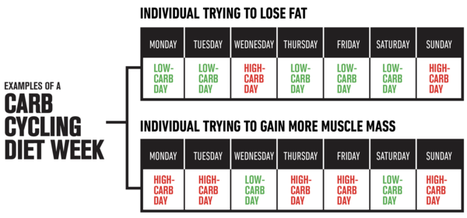
As you can see from this picture, the plans are put together differently with different end goals. Both of these cycles are for the individual that is in training. By that I mean you that is exercising. If you are working out, it also means you are training. You don't have to be "training" for anything other than staying alive and healthy longer. The top example is this chart, for me, is more favorable. One of the reasons I enjoy cycling besides using it to keep myself in check with macros, is to have the ability to manage my water retention. If I cycle 2-3 days on lower carbs, I will lose a lot of water that I am retaining. I'm going to go down the personal road for myself here, so forgive me please. If I have something that I want to where that is very fitting, or I want to look more cut for an event, I'll carb cycle for 3-4 days before the date. The carbs get low, water drops, you look and feel less bloated. Keep that little side note in your brain for a later date.
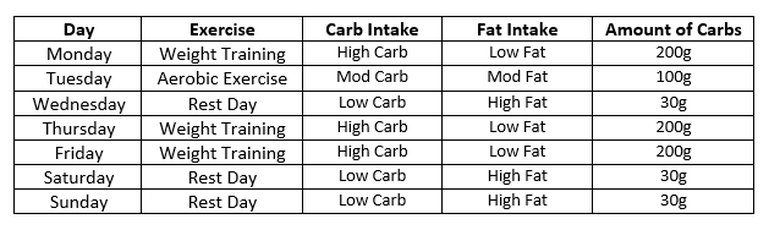
The above chart is maybe the easiest to follow and I think I like this one the best. I don't think you necessarily need it to have a day of the week mapped out for you, but it may help. I also wouldn't binge on the "high fat" aspect of the chart, just stick with your macros remembering to keep your proteins up. The fats can fill some of the caloric needs without all of the carb calories, but it's okay to fall under a little too. Remember that fats are 9 calories per gram instead of the 4 calories like carbs and proteins, so they add up much faster. Also with the above, you can switch out any of those rest days for aerobic exercise. Get a extra run/walk/hike/paddle in...it's summer and you should be enjoying all the time you can outside! Please try to remember to keep those carbs lower and in check on those days with less activity, it's a pretty important key. Also, hitting back to making this a lifestyle and not a "diet", try not to be too hard on yourself. Make this easy by learning how this works for you and easily use it every day. If you know that you are going to be sitting in meetings all day next Tuesday, try to grab a salad instead of a sandwich, walnuts instead of m&m's, beef jerky instead of crackers. Things do start to become second nature, I promise. As I mentioned earlier, you activities will easily start to dictate you eating. For me, when my cycling is on point, I can't go longer than three days without watching my weightlifting struggle, or my mileage decrease. That is for me though and may not be for everyone. You will know when your body NEEDS to refuel and recover. Lastly on the csrb cycling, after a few weeks or even a couple of months, hit the reset button. Throw your entire system off by having 3- 4 high carb days, or maybe absolutely no carbs for 3-4 days. Our bodies adapt so fast, and our brains need to make sure we mix things up. Your metabolism needs breaks and mix-ups to keep it burning healthy.
Nutrient Timing
Nutrient timing is planning your food intake at a particular time centered mostly on your workout schedule. Some make sure to have certain nutrients upon waking and going to bed also, but I'm only going to briefly hit on the nutrient timing around workouts. The research has shown that there is a pretty significant importance in planning to digest particular nutrients pre and port workouts. Most importantly the "window of gains" post workout that you will likely hear from the muscle building world. They used to believe that you only had about 30 minutes to make sure your body would optimally uptake all the nutrients it could post workout from whatever you were trying to feed it. Now they are getting a little bit more relaxed and saying you don't need to rush. My thoughts, you absolutely DO benefit from a nutritious post workout meal/shake. Physiologically, if you just finished a pretty intense workout, your cells are depleted of nutrients, particularly glucose, and need to refuel for repair, which lead to growth and strength. I don't feel however, that you need to pack a full meal to the gym and eat it as soon as you finish your last rep. Refuel with healthy carbs and protein on those hard days, your body needs it! In relation to the intermittent fasting post, when you come out of your fast make sure you are not instantly hitting the carbs. Put a meal together with healthy proteins, fibrous carbs, and some fat first. Save those yummy carbs for after your workouts. The most optimal time to consume your carbohydrates is after your workouts. The key to understanding Nutrient Timing is understanding when your body is in need of particular nutrients.
Soon I hope to start putting together a few workout ideas for everyone to help you get started, if you haven't already, on your fitness journey.
Nutrient Timing
Nutrient timing is planning your food intake at a particular time centered mostly on your workout schedule. Some make sure to have certain nutrients upon waking and going to bed also, but I'm only going to briefly hit on the nutrient timing around workouts. The research has shown that there is a pretty significant importance in planning to digest particular nutrients pre and port workouts. Most importantly the "window of gains" post workout that you will likely hear from the muscle building world. They used to believe that you only had about 30 minutes to make sure your body would optimally uptake all the nutrients it could post workout from whatever you were trying to feed it. Now they are getting a little bit more relaxed and saying you don't need to rush. My thoughts, you absolutely DO benefit from a nutritious post workout meal/shake. Physiologically, if you just finished a pretty intense workout, your cells are depleted of nutrients, particularly glucose, and need to refuel for repair, which lead to growth and strength. I don't feel however, that you need to pack a full meal to the gym and eat it as soon as you finish your last rep. Refuel with healthy carbs and protein on those hard days, your body needs it! In relation to the intermittent fasting post, when you come out of your fast make sure you are not instantly hitting the carbs. Put a meal together with healthy proteins, fibrous carbs, and some fat first. Save those yummy carbs for after your workouts. The most optimal time to consume your carbohydrates is after your workouts. The key to understanding Nutrient Timing is understanding when your body is in need of particular nutrients.
- My personal nutrient timing: I come out of my intermittent fast one of two ways
- I have a Beet Juice (black cherry flavored & naturally sweetened shake with a scoop of collogen protein "pre-workout", then I workout, and eat a slice of homemade bread with honey and a protein shake "post-workout"
- or: I have protein (typically grilled chicken breast) and veggies for my first meal. This is then followed by the above #1 prior to my workout.
Soon I hope to start putting together a few workout ideas for everyone to help you get started, if you haven't already, on your fitness journey.
Health and Fitness Series
Dr. Kallie
Every few years something new for weightloss pops up and takes the world by storm. The ketogenic diet has been around for thousands of years dating back to Ancient Greek and Indian Physicians. More literature in the early 20th century, around 1912, and again in 1921. All of this research pointed toward Ketogenic Diets helping those with epilepsy. The research is pretty outstanding, especially for the positive outcome in the youth with epilepsy. The keto diet revolution started picking up ground in the 1990's when a Hollywood producer spoke about his son's epilepsy control through the keto diet. In the mid 1990's, a foundation and funding were created to make new discoveries about Ketosis.
So what is Ketosis... a metobolic state in which our human bodies no longer have glucose to burn for energy and use fat. The fat ingested and the fat in storage breaks down into fatty acids and are converted into ketones by ketogenesis. I'll spare you the biochemistry of it all, and skip to the understandable stuff. Like I have mentioned in earlier posts, our human bodies are super smart and know how to accommodate a lot of changes. Some changes take a little bit longer then others, so each person may be a little different. Back to ketosis...I'm sure almost all of you are familiar with the Adkins diet or low carb dieting. Well, the keto diet is like Adkins on steroids. You are slashing your carbohydrate intake to almost nothing. Most traditional Keto-dieters try to stay under 5% carbohydrates for their caloric intake, which is roughly 50g or less depending upon your activity level, size, and sensitivity. A nice example is a simple apple or even a banana, one of these babies a day and you might be over your limit for carbs. Let's not forget though, keto diets push the greens/veggies, and they too have carbs. A lot less and mostly fibrous carbs, but you count them. So in all reality, you aren't eating much of any fruit except for a few berries if you are lucky. You are eating Fat, more Fat, and more FAT. You are trying to consume around 75% of your diet as fat. That leaves about 20% to protein. Quick perspective here, a 2000 calorie diet on keto at 80% fat is 1600 of your 2000 in just fat alone. That 1600 calories from fat is anywhere between 140-170g of fat.
So what is Ketosis... a metobolic state in which our human bodies no longer have glucose to burn for energy and use fat. The fat ingested and the fat in storage breaks down into fatty acids and are converted into ketones by ketogenesis. I'll spare you the biochemistry of it all, and skip to the understandable stuff. Like I have mentioned in earlier posts, our human bodies are super smart and know how to accommodate a lot of changes. Some changes take a little bit longer then others, so each person may be a little different. Back to ketosis...I'm sure almost all of you are familiar with the Adkins diet or low carb dieting. Well, the keto diet is like Adkins on steroids. You are slashing your carbohydrate intake to almost nothing. Most traditional Keto-dieters try to stay under 5% carbohydrates for their caloric intake, which is roughly 50g or less depending upon your activity level, size, and sensitivity. A nice example is a simple apple or even a banana, one of these babies a day and you might be over your limit for carbs. Let's not forget though, keto diets push the greens/veggies, and they too have carbs. A lot less and mostly fibrous carbs, but you count them. So in all reality, you aren't eating much of any fruit except for a few berries if you are lucky. You are eating Fat, more Fat, and more FAT. You are trying to consume around 75% of your diet as fat. That leaves about 20% to protein. Quick perspective here, a 2000 calorie diet on keto at 80% fat is 1600 of your 2000 in just fat alone. That 1600 calories from fat is anywhere between 140-170g of fat.
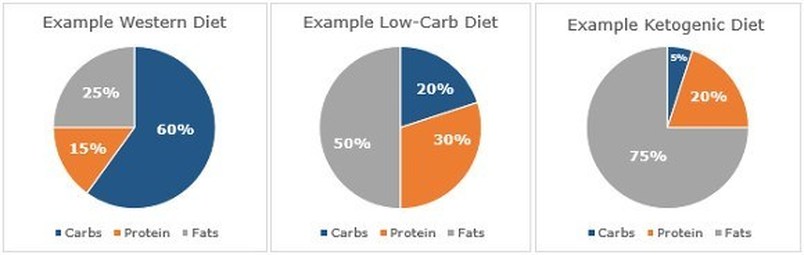
Above are great representations of our standard American diet, low carb diet, and the classic keto diet. There is a DRASTIC difference in the amount of carbohydrates consumed (blue) between our standard and the keto diet. Here's the evil little problem though, you have to keep your proteins in check while trying to get to keto and stay in keto. See, glucose is the body's preferred fuel for energy. If we no longer have glucose available because we drastically cut out our carbohydrates, then our bodies turn to any excess protein we may have ingested. Believe me when I tell you, it's quite hard to keep those proteins down to only 20% when you are not a "scoop coconut oil out of the jar and eat it" kind of a person. I find eating pure fat kinda gross honestly. Try oil pooling and tell me how much you LOVE coconut oil sloshing around in your mouth for awhile, ick! Back to protein, when you eat more than your body needs for a day, you trigger something called gluconeogenesis. Gluconeogenesis happens when your body converts amino acids (from protein) into glucose (for energy) which then increases your insulin and finally reduces ketones. My last little reminder about the fat consumption is this, watch your calories! Remember our macro counting that calories from fat are 9kcal/g as compared to protein and carbs only being 4kcal/g. Those extra calories add up REALLY fast. So many people think that they are going to be so full from all of the fat they get to eat, not really the case. One pound of bacon is roughly 2000 calories, not to mention 169 grams of protein. Again going back to the old 2000 calorie diet, this means you ate all of your calories in that pound of bacon and went over your protein by 69g. (20% protein in a 2000 calorie diet = 400 calories from protein divided by 4cal/g of protein and you are allowed roughly 100 g of protein) So much for chewing on a few packages of bacon.
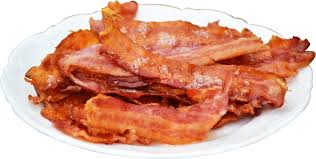
Now you have a little better idea when someone says they can eat all the bacon and meat they want to....not the case. The protein will shoot you right out of ketosis. This is my major point with the keto diet, it's DARN hard to stick with and I don't think it should be a long term commitment for health reasons.
Do I encourage Keto Dieting? yes and no. Yes, I mentioned that it is hard, but what isn't hard that takes work?!?! Eating like crap is easy, but it's not getting you anywhere except into your grave. Let me start by the biggest question, is keto dieting safe? Yes, I feel if done properly with proper guidance and strictly short term, it is safe. The biggest safety factor is ketoacidosis. When there are too many ketones in your bloodsteam, your blood becomes too acidic. Ketoacidosis is the leading cause of death to people with diabetes under the age of 24. Be cautious with any new diet and know your body.
Do I encourage Keto Dieting? yes and no. Yes, I mentioned that it is hard, but what isn't hard that takes work?!?! Eating like crap is easy, but it's not getting you anywhere except into your grave. Let me start by the biggest question, is keto dieting safe? Yes, I feel if done properly with proper guidance and strictly short term, it is safe. The biggest safety factor is ketoacidosis. When there are too many ketones in your bloodsteam, your blood becomes too acidic. Ketoacidosis is the leading cause of death to people with diabetes under the age of 24. Be cautious with any new diet and know your body.
Pros and Cons
Pros:
Cons:
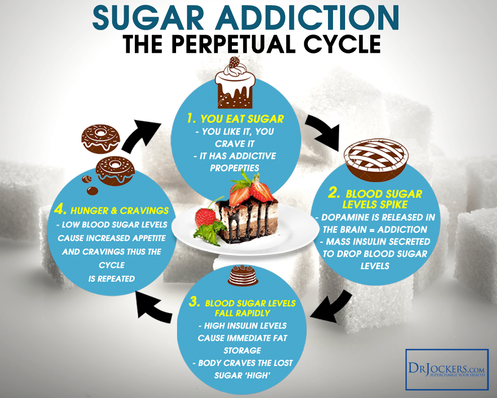
Left me briefly touch on toxin release. We are exposed to toxins everyday in the food we eat, air we breath, and things we touch. As toxins enter our bodies, they are both excreted out and stored. The toxins take refuge in our fat storage cells. As you start to burn up "old fat' , sort-a-speak, you have an increase in toxins trying to get excreted into your blood stream. Some may not notice this at all, but others can feel it and even see it. A lot of complaints I hear are skin reactions, an increase in acne and other skin irritations. For those that have pretty significant sugar addictions, the process of withdraw can also be pretty rough. Similar to alcohol and drug addictions, your body craves its sugar high. The cravings can be pretty darn harsh for some.
- Fast results. When we see something work so quickly, we get excited, encouraged, and more motivated to keep up the good work.
- The plan is pretty simple (when you read it, lol) You just cut out anything with sugar/carbohydrates. An entire macro group to not worry about. Simple is sometimes really good for some people, so in that case I encourage them to try it.
- There are great benefits and results to the control of Diabetics
- Lastly (my favorite): decreases the consumption of processed foods. No more junky processed foods = more energy and less sugar crashing.
Cons:
- STRICT! This feels like an understatement. It's hard to get into ketosis, but even harder to STAY in ketosis. One little slip up of a treat (even simply watermelon) and you have to start over.
- EVERY single person metabolizes differently. One person might jump right into ketosis and be able to eat a few more grams of protein than the next. You can't get discouraged by your own speed, so be patient.
- Not a lifestyle. This diet is meant to be short-term.
- It is very difficult to gain muscle mass (your calorie furnace) in ketosis (more on that later)
- SIDE EFFECTS: When a person's body is accustom to using carbohydrates as a fuel source for many years and even decades, it's a pretty big process to switch over and start using fat. This comes with side effects that are seen by many but not all. Many of these are related.
- Fluid loss is a pretty big factor. A lot of people get super excited to see the scale go down so quickly, but in all actuality, it is a lot of fluid loss. As our bodies use up the stored glycogen (sugar) in our muscles and liver, the cells release water with them.
- Water loss naturally means salt and mineral loss. It is IMPERATIVE that you stay very well hydrated and keep you electrolyte balance in check Many people add Himalayan salts to their food and supplement with bone broths.
- Fluid loss and salt imbalances also can lead to muscle cramps.
- Constipation
- Keto-breath
- Loss of energy
- KETO-FLU...it's a thing. Keto flu can be a combination of one, some, or all of the following: brain fog, dizziness, insomia, rapid heart rate, and simple flu-ish like symptoms.
Left me briefly touch on toxin release. We are exposed to toxins everyday in the food we eat, air we breath, and things we touch. As toxins enter our bodies, they are both excreted out and stored. The toxins take refuge in our fat storage cells. As you start to burn up "old fat' , sort-a-speak, you have an increase in toxins trying to get excreted into your blood stream. Some may not notice this at all, but others can feel it and even see it. A lot of complaints I hear are skin reactions, an increase in acne and other skin irritations. For those that have pretty significant sugar addictions, the process of withdraw can also be pretty rough. Similar to alcohol and drug addictions, your body craves its sugar high. The cravings can be pretty darn harsh for some.
Keto-testing
Briefly let me touch on the testing portion of this diet. A lot of new comers to the Keto-diet get super excited to buy the testing strips to see how soon they get into ketosis, and if they stay in ketosis. These little strips test the excess ketones in your urine. I don't recommend using them for the diet, and feel that they can be a huge disappointment. Every person is different and will test differently. Results can vary with what time of the day you are testing, when you last ate, and if you just exercised. Ketones are only in the urine when they are spilled over into the blood when you have an excess. Remember, ketones are now an energy source, so if you are expending a lot of energy in a workout, you are using up your excess ketone bodies for fuel. That means you will not get a good reading for the keto strips. They just aren't worth the time, money, and disappointment.
Briefly let me touch on the testing portion of this diet. A lot of new comers to the Keto-diet get super excited to buy the testing strips to see how soon they get into ketosis, and if they stay in ketosis. These little strips test the excess ketones in your urine. I don't recommend using them for the diet, and feel that they can be a huge disappointment. Every person is different and will test differently. Results can vary with what time of the day you are testing, when you last ate, and if you just exercised. Ketones are only in the urine when they are spilled over into the blood when you have an excess. Remember, ketones are now an energy source, so if you are expending a lot of energy in a workout, you are using up your excess ketone bodies for fuel. That means you will not get a good reading for the keto strips. They just aren't worth the time, money, and disappointment.
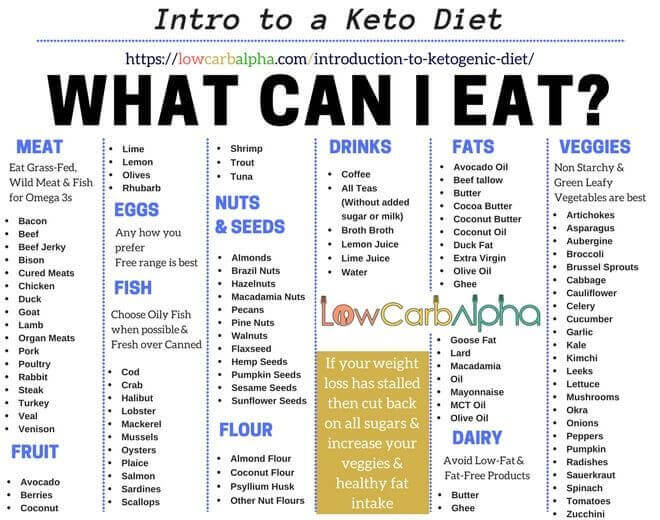
The above is a basic list of what is safe to eat to consume on the keto diet. Since the diet has gained so much popularity, many more fun and tasty treats have been created. One of my favorites are the keto bagels. After about the first week, you start to miss the buns on your sandwiches whether they are hamburgers at a BBQ or breakfast bacon, egg, and cheese sandwiches. Some genius started showing the world how easy it is to make bagels/buns out of almond flour, eggs, and cheeses along with some spices of your choice. They REALLY help you keep the diet going. Dark chocolate treats with peanut butter, stevia, and some coconut also help satisfy that sweet tooth now and again. The only warning, is again, watch those calories. The above life savors are pretty high up there in calories.
My experience...of course I decided to give Keto a whirl, honestly to see of I could discipline myself enough to keep it up for a couple of weeks. It was pretty tough at times, but I was super thankful for the millions of pinterest recipes for keto foods. I did have the keto flu for about 4 days in the very beginning, the brain fog and sluggishness were very noticeable. I also dropped a pretty good amount of water weight right away. After the first week, my energy came back and I feel was increased. I no longer had the "carb coma" after a meal. I did struggle a little bit more with body temperature. Staying warm when I was not active was probably the most difficult struggle, but on the other hand, my body heat was turned up when exercising and sleeping. I regularly do low intensity fasting cardio in the mornings, this quickly became a sweat-fest while on the keto diet. I also had an increase in night sweats, that I contribute to a hormonal fluctuation. My weightlifting had it's ups and downs while in Keto. I had some of my best "leg day" lifts in keto, but my upper body lifts suffered. My upper body strength decreased quite significantly plus I struggled with the shakes under the weights. Lastly, the reasons I no longer dapple in keto are because of the side effects I struggled with were more then the benefits. I truly enjoyed the increase in energy and the lower water retention (aka bloatedness), but these weren't enough to sell me. The night sweats, and body temp regulation problems were not fun, but the struggle with weightlifting and the dizziness tapped me out. At one point, my dizziness reached a scary point of not being able to stand up and walk to my kitchen from my living room without grabbing the wall to stop myself from falling over.
Again, I do feel this diet can be very beneficial for some people. Those that have significant sugar addiction can likely benefit the most. It's certainly worth a try if you want to test your discipline and reset your metabolism. I think forcing your body to burn fats instead of the constant sugar feed is very beneficial. The first go around with Keto will probably be your most difficult, but also the most noticeable for the positive outcomes as well. Personally I stick to lightly dipping into Keto each morning when I am fasted from my intermittent fasting plus the light cardio. Along with the intermittent fasting, I carb cycle when I am trying to get myself back in check and/or cut. This allows me the benefits of going near keto, but not the struggles of actual keto dieting. Next week I'll bring more info to you about carb cycling.
My experience...of course I decided to give Keto a whirl, honestly to see of I could discipline myself enough to keep it up for a couple of weeks. It was pretty tough at times, but I was super thankful for the millions of pinterest recipes for keto foods. I did have the keto flu for about 4 days in the very beginning, the brain fog and sluggishness were very noticeable. I also dropped a pretty good amount of water weight right away. After the first week, my energy came back and I feel was increased. I no longer had the "carb coma" after a meal. I did struggle a little bit more with body temperature. Staying warm when I was not active was probably the most difficult struggle, but on the other hand, my body heat was turned up when exercising and sleeping. I regularly do low intensity fasting cardio in the mornings, this quickly became a sweat-fest while on the keto diet. I also had an increase in night sweats, that I contribute to a hormonal fluctuation. My weightlifting had it's ups and downs while in Keto. I had some of my best "leg day" lifts in keto, but my upper body lifts suffered. My upper body strength decreased quite significantly plus I struggled with the shakes under the weights. Lastly, the reasons I no longer dapple in keto are because of the side effects I struggled with were more then the benefits. I truly enjoyed the increase in energy and the lower water retention (aka bloatedness), but these weren't enough to sell me. The night sweats, and body temp regulation problems were not fun, but the struggle with weightlifting and the dizziness tapped me out. At one point, my dizziness reached a scary point of not being able to stand up and walk to my kitchen from my living room without grabbing the wall to stop myself from falling over.
Again, I do feel this diet can be very beneficial for some people. Those that have significant sugar addiction can likely benefit the most. It's certainly worth a try if you want to test your discipline and reset your metabolism. I think forcing your body to burn fats instead of the constant sugar feed is very beneficial. The first go around with Keto will probably be your most difficult, but also the most noticeable for the positive outcomes as well. Personally I stick to lightly dipping into Keto each morning when I am fasted from my intermittent fasting plus the light cardio. Along with the intermittent fasting, I carb cycle when I am trying to get myself back in check and/or cut. This allows me the benefits of going near keto, but not the struggles of actual keto dieting. Next week I'll bring more info to you about carb cycling.
Summer Health and Fitness Series
As promised last week, today we are working through Intermittent Fasting. This is one of my favorite tools and topics. I LOVE LOVE LOVE intermittent fasting and I can't wait to tell you why. We all know what fasting is basically not eating for a period of time. Intermittent fasting is just pre-planned periods of not eating. If you are even remotely in tune to the health and fitness world, then I am quite certain you have likely heard of IF (intermittent fasting) within the last few years. It's really a thing, a darn popular thing, and it deserves all the recognition that it has been given. IF goes beyond just weight loss, and I'm excited to share those extra details with you. More importantly though, I feel IF is a huge personal discipline that you can control, and makes you feel amazingly successful. Just to quick clarify, IF, may not be for everyone, especially those with serious preexisting health complications. Like everything else, you need to use precaution.
Years ago, when I was young, it was preached to us to ALWAYS eat breakfast. "It's the most important meal of the day." I do agree that breakfast is important for our kiddos out there. I would not send the little brain and body of my 8 year old to school without having healthy foods in their tummy. As for adults, the same is not needed on a daily basis. Neither is eating 5-6 small meals a day. Our bodies have NEVER been designed to continually eat throughout the day. Just look into the physiology of our bodies, they are amazingly adaptable. This may be cliche, but our ancestors did not have access to a refrigerator full of food 24-7. They weren't breaking out the Ben & Jerry's at midnight for a little snack. They ate abundantly when food was available, then literally fasted until they hunted for their next meal. Back to my main point here, you will NOT die if you intermittent fast. You may think you are going to die from hunger the first few days, but I assure you that hunger for a few hours will not kill you.
INTERMITTENT FASTING PLANS:
Years ago, when I was young, it was preached to us to ALWAYS eat breakfast. "It's the most important meal of the day." I do agree that breakfast is important for our kiddos out there. I would not send the little brain and body of my 8 year old to school without having healthy foods in their tummy. As for adults, the same is not needed on a daily basis. Neither is eating 5-6 small meals a day. Our bodies have NEVER been designed to continually eat throughout the day. Just look into the physiology of our bodies, they are amazingly adaptable. This may be cliche, but our ancestors did not have access to a refrigerator full of food 24-7. They weren't breaking out the Ben & Jerry's at midnight for a little snack. They ate abundantly when food was available, then literally fasted until they hunted for their next meal. Back to my main point here, you will NOT die if you intermittent fast. You may think you are going to die from hunger the first few days, but I assure you that hunger for a few hours will not kill you.
INTERMITTENT FASTING PLANS:
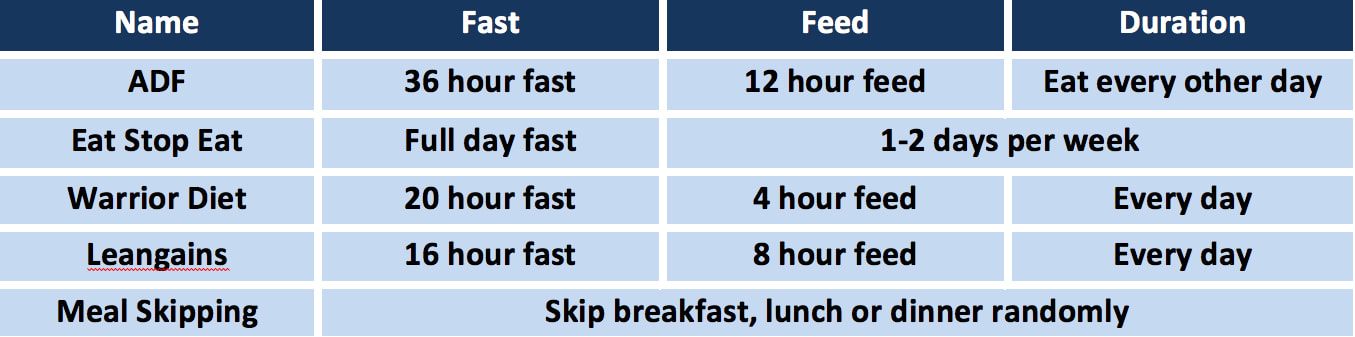
*ADF (alternate day fasting)
Among the above, the Leangains is the most popular and easiest to make into a lifestyle. It is honestly not as hard as it sounds, and I speak from experience. I have been intermittent fasting for almost two years and I absolutely love it. The Leangain is also known as the 16:8, 16 hours fasting and 8 hours of refueling. This schedule is easily adapted to your daily regimen by simply skipping breakfast. (Breakfast aka "break fast") Here is a sample below for the 16:8 schedule.
Among the above, the Leangains is the most popular and easiest to make into a lifestyle. It is honestly not as hard as it sounds, and I speak from experience. I have been intermittent fasting for almost two years and I absolutely love it. The Leangain is also known as the 16:8, 16 hours fasting and 8 hours of refueling. This schedule is easily adapted to your daily regimen by simply skipping breakfast. (Breakfast aka "break fast") Here is a sample below for the 16:8 schedule.
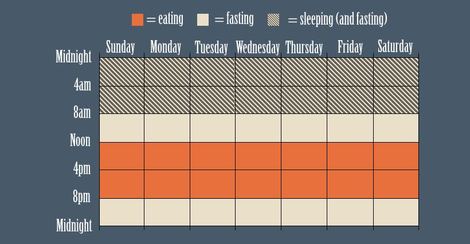
Dependent upon how late you want to eat or how early you need to eat, is how you configure your own schedule. If you work until 7pm and want to go home to have a nice dinner, then your fast can start at 8pm and finish at noon the next day. If you feel you need to eat earlier then noon, you can plan to eat at 10am and be finished eating for the day at 6pm. In the above chart, the orange is your refueling (eating) window. The shaded area is easy fasting since you are asleep. The fasting conscious work goes into the hours you are awake before you break your fast, and the hours following your last meal before bed.
In all honesty, IF can be a great tool to help with weight loss, since you are cutting out those sneaking times that you would indulge in extra snacks, like before bedtime. I am not going to lie to you and say it is easy, because it is not easy at all in the initial few weeks/months. It's been almost 2 years, and I still get super hungry before I break my fast, but I actually enjoy it A LOT. I know that sounds a whee bit crazy, but I have a sense of control and discipline that I am proud of each and every day. When I get to my first meal of the day and break my fast, I am proud each and every day. What's even more helpful is the change in food choices when you are actually hungry. I can almost guarantee that most of you decide to eat whenever you feel simply hungry. IT'S OKAY TO FEEL HUNGRY! It's actually good to feel hungry, and hear me out on that...when you are truly hungry you chose to eat healthier. You are not looking to grab a piece of candy, a muffin, or a donut, because you start to crave healthy protein rich foods to fill you up and give you energy. Nothing will make you feel worse then crappy food on a truly empty stomach.
Example: We had a patient a few years ago ask us about nutrition and eating habits for losing weight. We mentioned the first meal of the day being a chicken breast and veggies, to which she/he thought was just awful. She/he said there was no way they could eat chicken as their first meal. Well guess what, when you have been fasting for 16 hours, chicken sounds darn good and tastes even better. The intermittent fasting can truly help as a tool in you arsenal to help you get fit, lose weight, stay fit, etc but it has so many other amazing benefits that we are learning about all of the time.
In all honesty, IF can be a great tool to help with weight loss, since you are cutting out those sneaking times that you would indulge in extra snacks, like before bedtime. I am not going to lie to you and say it is easy, because it is not easy at all in the initial few weeks/months. It's been almost 2 years, and I still get super hungry before I break my fast, but I actually enjoy it A LOT. I know that sounds a whee bit crazy, but I have a sense of control and discipline that I am proud of each and every day. When I get to my first meal of the day and break my fast, I am proud each and every day. What's even more helpful is the change in food choices when you are actually hungry. I can almost guarantee that most of you decide to eat whenever you feel simply hungry. IT'S OKAY TO FEEL HUNGRY! It's actually good to feel hungry, and hear me out on that...when you are truly hungry you chose to eat healthier. You are not looking to grab a piece of candy, a muffin, or a donut, because you start to crave healthy protein rich foods to fill you up and give you energy. Nothing will make you feel worse then crappy food on a truly empty stomach.
Example: We had a patient a few years ago ask us about nutrition and eating habits for losing weight. We mentioned the first meal of the day being a chicken breast and veggies, to which she/he thought was just awful. She/he said there was no way they could eat chicken as their first meal. Well guess what, when you have been fasting for 16 hours, chicken sounds darn good and tastes even better. The intermittent fasting can truly help as a tool in you arsenal to help you get fit, lose weight, stay fit, etc but it has so many other amazing benefits that we are learning about all of the time.
- As mentioned above, fat loss is a great result of IF. I will mention that you still have to be diligent about eating healthy when you are refueling in your window of eating. This does not mean BINGE when you start to eat. The basics: when we are fasting, you bodies use up all the glucose that we have readily available as an energy source. If we are not continually eating, the glucose gets used up and our bodies turn to a different source of energy, FAT. Some people refer to this as a cyclical ketosis. Think about this...you eat a healthy dinner with good carbohydrates. By bedtime those carbs are dwindling as a energy source. If you sneak a crappy snack before bed, once again you body will continue to use that carb rich snack for fuel. If you IF and don't have that snack, your body will turn to its fat storage to make its fuel. Imagine the little fat furnace burning by the time you skip breakfast and wait until lunch to eat. Plus studies show that the average calorie reduction in those that intermittent fast is 20%-40%. So yes, it can be a great tool for weight management.
- HORMONES!
- Healthy hormones are KEY! The major player in the hormone world and intermittent fasting is our Growth Hormone. Growth Hormone is a peptide hormone that stimulates growth, cell reproduction, and cell regeneration. Growth hormone is released mostly at night while we are asleep hence the importance of sleep for tissue repair. Our bodies will continue releasing Growth Hormone until we break our fast.
- Leptin: fasting increasing the leptin hormome which is a key regulator in hunger and directly impacts fat loss by metabolism regulation. Leptin is a key component is our thyroid produced hormones, T3 and T4.
- Insulin: While fasting, you are giving insulin a break. No sugars to digest, no insulin released, and this equals increased insulin sensitivity. In this sugar loving over processed food society, our bodies are subjected to constantly producing and releasing insulin to stabilize our blood sugar. Over time, this system gets burned out and you start facing the scary road to diabetes since the insulin sensitivity is lost. As your insulin sensitivity is healing and increased, your body starts processing food more effectively which decreases the risk of storing fat.
- Gut Health: I am sure almost everyone not living under a rock today has heard something along the lines of food sensitivities, gluten intolerance, irritable bowel, lactose intolerance, etc. Many of the main causes for these issues along with more substantial problems like immune dysfunction and autoimmune diseases are believed to be derived from poor gut health. Intermittent Fasting gives your gut microbes a break and time to heal. The newest discoveries being made have found that fasting activates a gene that strengthens the gut barrier which protects us from harmful toxins that can leak into our bloodstream and decrease our immune system.
- Cellular Autophagy: WAIT! Before I lose you on the scientific name, bare with me because this one is most important. Personally I still Intermittent Fast because of this super cool and important info. Cellular Autophagy is just a fancy way of saying "cell clean-up". Similar to the growth hormone above, cellular autophagy happens when we are fasting and our bodies are cleaning up shop sort-a-speak. Our bodies again and looking for an energy source and our innately intelligent system turns to eat up the trash in our cells that are not as productive. When you break your fast and start eating, the autophagy turns off and goes back into using the new food for energy. Amino acids and insulin are autophagy's negative regulators. Autophagy contributes to cellular development and differentation, suppresses tumors, and supports immunity. When people discuss fasting reversing the damage done to your liver, they are referencing the fact that most of our damaged cells end up in the liver and are replaced through our metabolism when looking for a source of energy/fuel during fasting. Research has connected autophagy with conditions including cancer, autoimmune diseases, neurodegenerative diseases, as well as aging. Some has gone so far to say that lengthy fasting has completely regenerated their immune systems and have helped fight cancers.
- Brain Goodies! Recently, information and research has been released on the foundation that fasting triggers neuron regeneration in the brain. Fasting has increased Brain-Derived Neurotrophic Factor (BDNF), a protein that basically fertilizes our brain cells, promotes neuron growth, and builds and maintains brain circuits.
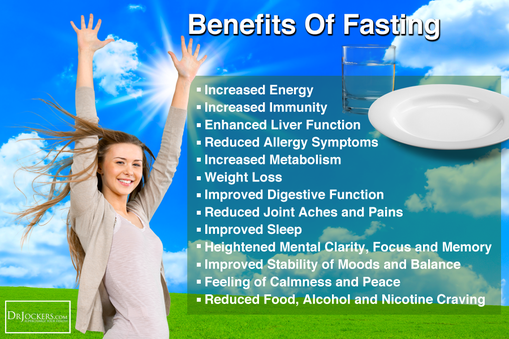
As I mentioned earlier, fasting is not the easiest thing in the world to do. It takes a lot of patience and even more discipline. I wholeheartedly encourage everyone to at least give it a try and see how you do and feel. I challenge the discipline side of you more then anything else. Maybe start slow on the 16-8 and try it just a few days a week, then move into it on a regular basis. Like everything I have blogged about, it's easily a lifestyle that is manageable for better health. Plus, you don't have to be crazy strict about it and it's even flexible. If your significant other wants to go out for a big breakfast, GO! You can skip that day or better yet start your fast earlier in the evening.
My personal notes...I stumbled upon IF years ago while working on dropping baby weight and getting healthier. It is a useful tool for me with weight management because I truly love to eat. This keeps my snacking at bay and helps me make much better whole food choices when its time to eat and I'm REALLY hungry. I have learned that I actually enjoy feeling empty and hungry rather than bloated and full. IF forces me to keep hydrated, because that is all you are having while fasting. Lots of hydration is key to helping you through your fast. I still enjoy my coffee, tea, and mineral waters during my fast, as long as they don't have calories. Please don't consider fake artificial sweeteners friends, just write your last will and testimony instead since that crap WILL kill you. Lastly, I will continue IF because it gives me such a sense of control and pride. Like I said earlier, when you make it through to the end of your fast successfully, you feel so accomplished and proud of your discipline. The amount of other wonderful benefits to your body when fasting excites me. Our bodies are so incredibly intelligent and down right cool, keep working hard on the only body you have right now.
To Our Health
Dr. Kallie Wegmann
My personal notes...I stumbled upon IF years ago while working on dropping baby weight and getting healthier. It is a useful tool for me with weight management because I truly love to eat. This keeps my snacking at bay and helps me make much better whole food choices when its time to eat and I'm REALLY hungry. I have learned that I actually enjoy feeling empty and hungry rather than bloated and full. IF forces me to keep hydrated, because that is all you are having while fasting. Lots of hydration is key to helping you through your fast. I still enjoy my coffee, tea, and mineral waters during my fast, as long as they don't have calories. Please don't consider fake artificial sweeteners friends, just write your last will and testimony instead since that crap WILL kill you. Lastly, I will continue IF because it gives me such a sense of control and pride. Like I said earlier, when you make it through to the end of your fast successfully, you feel so accomplished and proud of your discipline. The amount of other wonderful benefits to your body when fasting excites me. Our bodies are so incredibly intelligent and down right cool, keep working hard on the only body you have right now.
To Our Health
Dr. Kallie Wegmann
Authors
Dr. MJ Wegmann,
Dr. Kallie Wegmann and Dr. Chelsea Bachelor bring you the latest in health, fitness, wellness & prevention and science-based spine research.
Archives
July 2023
April 2023
March 2023
February 2023
January 2023
May 2020
April 2020
December 2019
June 2019
April 2019
February 2019
January 2019
October 2018
September 2018
August 2018
July 2018
June 2018
May 2018
Categories
All
Fasting
Fitness
Gut Health
Healing
IF
Leaky Gut
Nutrition
Research
Spine
Subluxation
Summner
Supplements
Thyroid
Wellness
 RSS Feed